Raw vs Cooked Dog Food Singapore: Which Is Better?
Sep 22, 2026

Author | Omakase Pet
Category | Dog Wellness

If you are thinking about switching your dog from kibble to fresh food, one of the first questions you will probably face is simple: should you feed raw or cooked dog food?
Both approaches can look very different from conventional dry food, but choosing between them should not be based on trends alone. Your dog's age, activity level, health, food preferences, lifestyle and the way the diet has been formulated all matter.
This guide explains the difference between raw and cooked dog food, what Singapore dog owners should consider, and how to make a more informed decision for their dog.
There is no single feeding style that is automatically right for every dog. A well-formulated fresh diet should provide the nutrients your dog needs in appropriate amounts, regardless of whether the meal is served raw or gently cooked.
Raw food may appeal to owners who prefer an uncooked fresh-food approach, while cooked food can offer the familiarity and convenience of a prepared meal that has undergone a cooking step.
The bigger question is not simply "raw or cooked?" but: "Is the diet appropriate for my individual dog?"
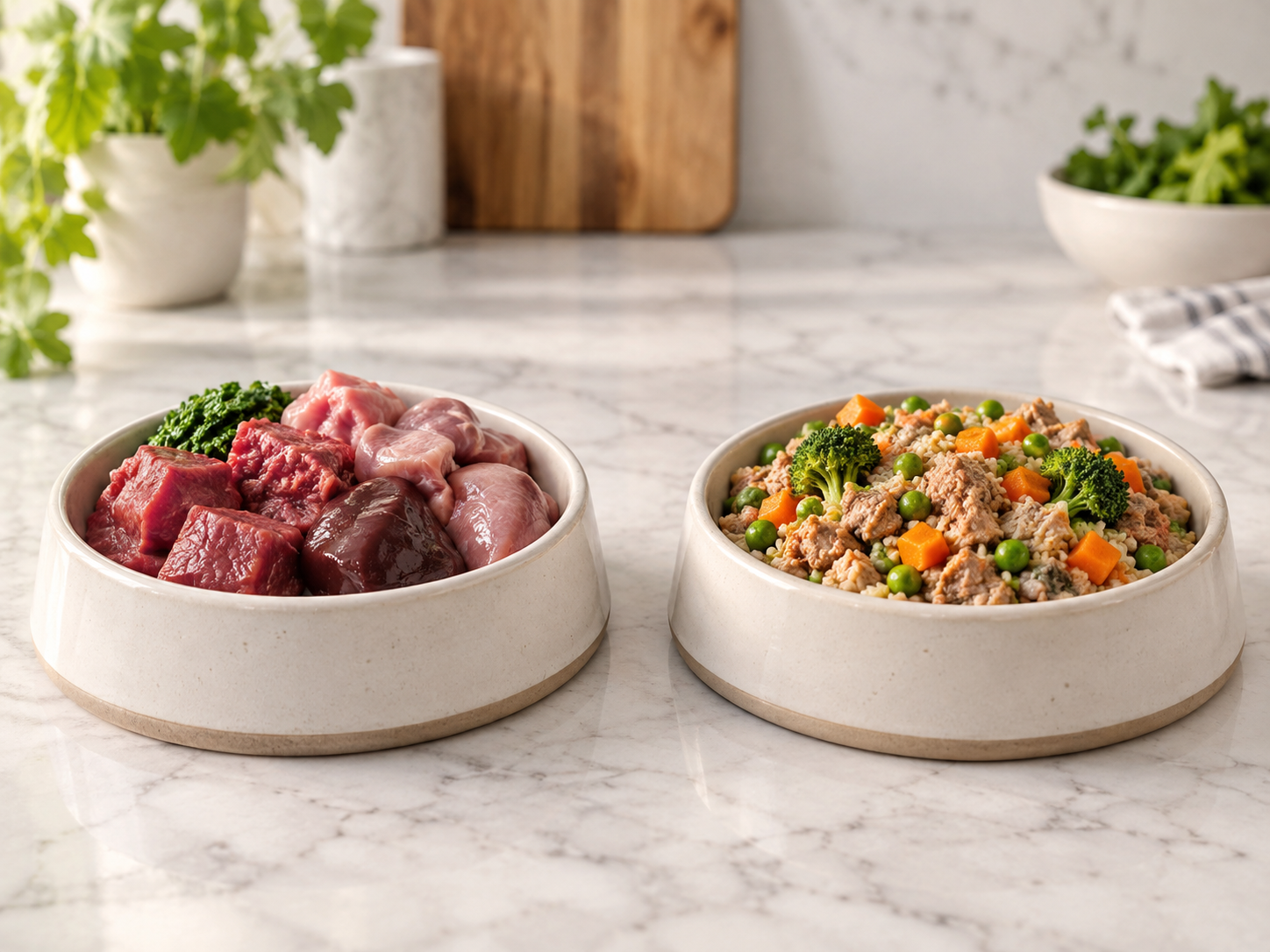
Raw dog food generally contains uncooked animal ingredients alongside other ingredients included as part of the recipe.
Raw diets can vary significantly. Some are professionally formulated commercial diets, while others are homemade combinations of meat, organs, bones and supplements.
That difference is important. Simply feeding raw meat does not automatically create a nutritionally complete diet.
If you are interested in fresh raw meals, you can explore Omakase raw dog food options here.
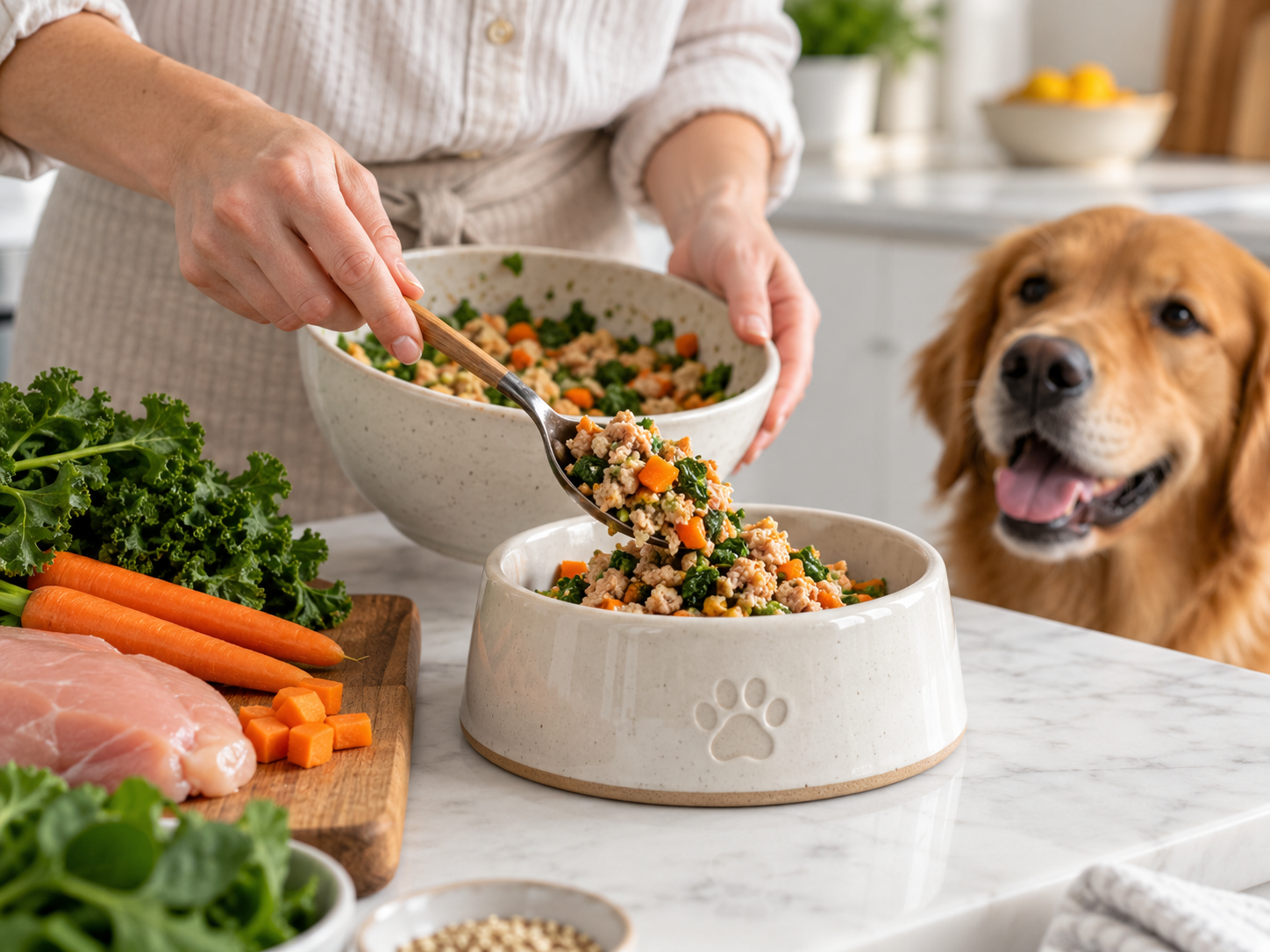
Cooked dog food uses heat during preparation before the food reaches your dog's bowl.
Cooking methods vary widely between brands. Food can be boiled, steamed, baked or gently cooked using methods such as sous vide.
Omakase offers gently cooked meal options using sous-vide preparation, allowing pet parents to choose between raw and cooked meals while selecting from multiple protein options.
You can view Omakase cooked dog food options here.
FactorRaw Dog FoodCooked Dog FoodPreparationIngredients are served without a cooking step.Ingredients undergo controlled cooking.TextureNatural raw-meat texture.Usually softer and familiar to owners accustomed to cooked food.Food handlingRequires particularly careful hygiene and handling.Still requires correct storage and refrigeration.ConvenienceConvenient when commercially portioned.Convenient when prepared and individually portioned.SuitabilityDepends on the individual dog and household.Depends on the individual dog and household.
It is easy to assume that less processing automatically means better nutrition, but nutrition is more complicated than that.
The nutritional value of a meal depends on factors such as ingredient selection, recipe formulation, nutrient balance, portion size and whether the food is appropriate for the dog's life stage and needs.
International veterinary nutrition guidance also notes that raw diets are not automatically healthier than appropriately formulated cooked diets.
That is why evaluating the whole diet is more useful than judging a food solely by whether it is raw or cooked.
Food safety deserves special attention whenever raw animal ingredients are involved.
Raw meat can carry microorganisms that may affect animals or humans. Good hygiene is therefore particularly important when preparing, storing and serving raw pet food.
Wash your hands after handling food, clean bowls and preparation surfaces thoroughly, and follow the manufacturer's storage and defrosting instructions.
Households with very young children, elderly family members, pregnant individuals or people with weakened immune systems should discuss raw feeding with an appropriate veterinary professional before deciding whether it is suitable for their household.
No. Cooking can alter certain nutrients, but that does not mean a cooked meal becomes nutritionally inadequate.
What matters is how the complete recipe is formulated and prepared. Commercial fresh-food recipes can account for the effects of processing when determining their nutrient composition.
Controlled cooking can therefore be part of a balanced feeding approach rather than something that automatically makes food less nutritious.
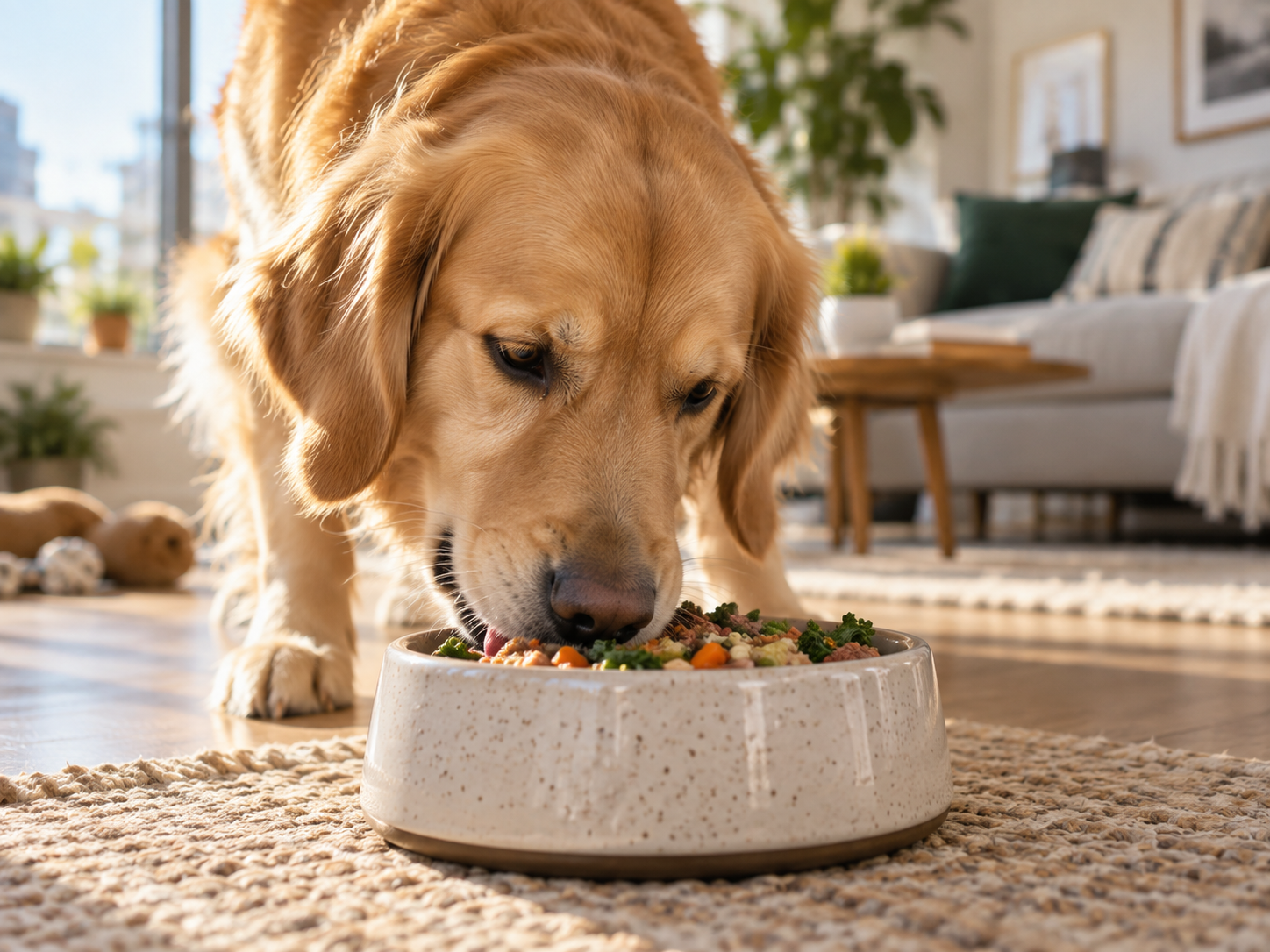
Some dogs simply prefer the aroma and texture of cooked meals. Pet parents may also find cooked meals easier to incorporate into their household routine.
Dogs already accustomed to cooked fresh food may find this format familiar when transitioning between brands.
Individual health considerations should always be discussed with your veterinarian or qualified pet nutrition professional.
Some dogs readily enjoy the texture and flavour of raw meals. Owners who already have experience handling raw food may also prefer this feeding approach.
However, preference alone should not determine the entire diet. The meal still needs to provide suitable nutrition in the correct amount for your dog.
Raw versus cooked is only one part of choosing a fresh diet. The protein used in the meal can also be important.
Dogs may be fed familiar proteins such as chicken, beef, pork, lamb, duck and turkey, while other options such as rabbit, venison, kangaroo or crocodile may provide additional variety.
When introducing a new diet, starting with a protein your dog already eats comfortably can make the transition simpler.
A sudden diet change can cause digestive upset in some dogs, even when the new food itself is suitable.
A gradual transition allows your dog time to adjust to differences in ingredients, moisture, texture and nutrient composition.
Omakase provides a dedicated dog feeding and transition guide for pet parents moving onto fresh meals.
During the transition, monitor your dog's appetite, stool quality, body condition and general wellbeing.
There is no universal portion that works for every dog.
Daily food requirements can vary according to:
Start with the feeding guidance provided for the food and adjust based on your dog's actual condition and professional advice.
Read our full dog feeding guidelines for more information.
The better option is the one that provides appropriate nutrition, suits your dog's individual needs and can be handled safely and consistently in your household.
Instead of thinking of raw and cooked diets as competing approaches, think of them as two different ways of serving fresh food.
Some dogs may do well with raw meals. Others may suit cooked meals. Your dog's response, nutritional needs and lifestyle should guide the decision.
Every dog is different. If you are deciding between raw and cooked food or are unsure which protein and portion to choose, personalised guidance can help.
Get a free Omakase consultation or learn more about Omakase's dog nutritionist.
Not automatically. The quality and suitability of a dog's diet depend on its overall formulation, nutritional balance, portioning and the individual dog's requirements.
Dogs can eat different food formats, but diet changes should generally be introduced gradually. Follow an appropriate transition plan and monitor your dog's response.
Raw animal ingredients can carry harmful microorganisms, so careful storage, preparation and hygiene are important. Discuss suitability with your veterinarian if your dog or someone in your household has additional health risks.
No. Fresh cooked diets and dry kibble use different ingredients, moisture levels and processing methods.
Omakase offers both raw dog meals and gently cooked dog meals with a variety of protein choices.
Important: This article provides general pet nutrition information and is not a substitute for veterinary diagnosis or individual medical advice. Speak with your veterinarian about significant dietary changes or medical conditions.
 Pet Lifestyle Vet Advice Dog Wellness
Sep 22, 2026

Apr 7, 2025

Apr 7, 2025
Raw vs Cooked Dog Food Singapore: Which Is Better?
Raw or cooked dog food? Compare nutrition, prepara
Top Reasons for Dog/Cat Vet Visits and How Much it Costs
Vet visits are crucial for pet health, with common

